
The Pain No One Talks About: Why Tailbone Discomfort Could Be Stress, Not Just Injury

There’s a kind of pain many women carry quietly. It lingers at the base of the spine, the coccyx, but doesn’t come with bruises or breaks. Instead, it brings uncertainty. If you’ve ever felt discomfort in your tailbone and wondered, “But I didn’t fall?”, you’re far from alone.
This kind of tailbone pain without injury might be rooted in something deeper than physical trauma.
Tailbone pain, stress, and pelvic muscle tightness are often linked, especially for women navigating chronic nervous system strain. Rather than an acute injury, it may be your body whispering that it’s time to unwind tension stored in the pelvic floor.
That Strange Tailbone Ache; When There’s No Injury In Sight
It starts subtly: an ache while sitting, a nagging soreness after a long day. Without a visible injury to point to, tailbone pain can feel like a mystery.
Many women, managing careers, caregiving, and everyday pressure, know this discomfort even if it’s rarely named out loud.
The confusion is real, and so is the physical tension that builds in silence. If your tailbone hurts but there’s no clear cause, it’s not “just in your head.” Research suggests it’s often rooted in the body’s stress load, particularly around the base of the spine.
How Stress Gets Stored in Your Body, Especially Around the Pelvis
Chronic stress in the body doesn’t just stay in the mind; it settles into soft tissues. When the nervous system remains in fight-or-flight, muscles instinctively grip, especially those in the hips and pelvic floor.
These stabilizing core areas hold tension over time, often ending near the coccyx.
That’s a major reason why women experience discomfort in the tailbone region without falling or trauma. Pelvic tension causes pain that goes unnoticed until it lingers.

Moms, Desk Jobs & Deep Tension: Why This Pain Targets Women
If you’re postpartum, spend long hours sitting, or carry a heavy emotional load (such as household logistics and mental to-do lists), your pelvic area may be holding more than you think. Hours of sitting compress the hips and coccyx.
Add in nursing postures, diaper duty, or the weight of managing it all, and pelvic muscles, especially those near the coccyx, can stay stuck in subtle contraction. This quiet mix of stillness and stress builds over time. You’re not imagining it; and you’re not alone.
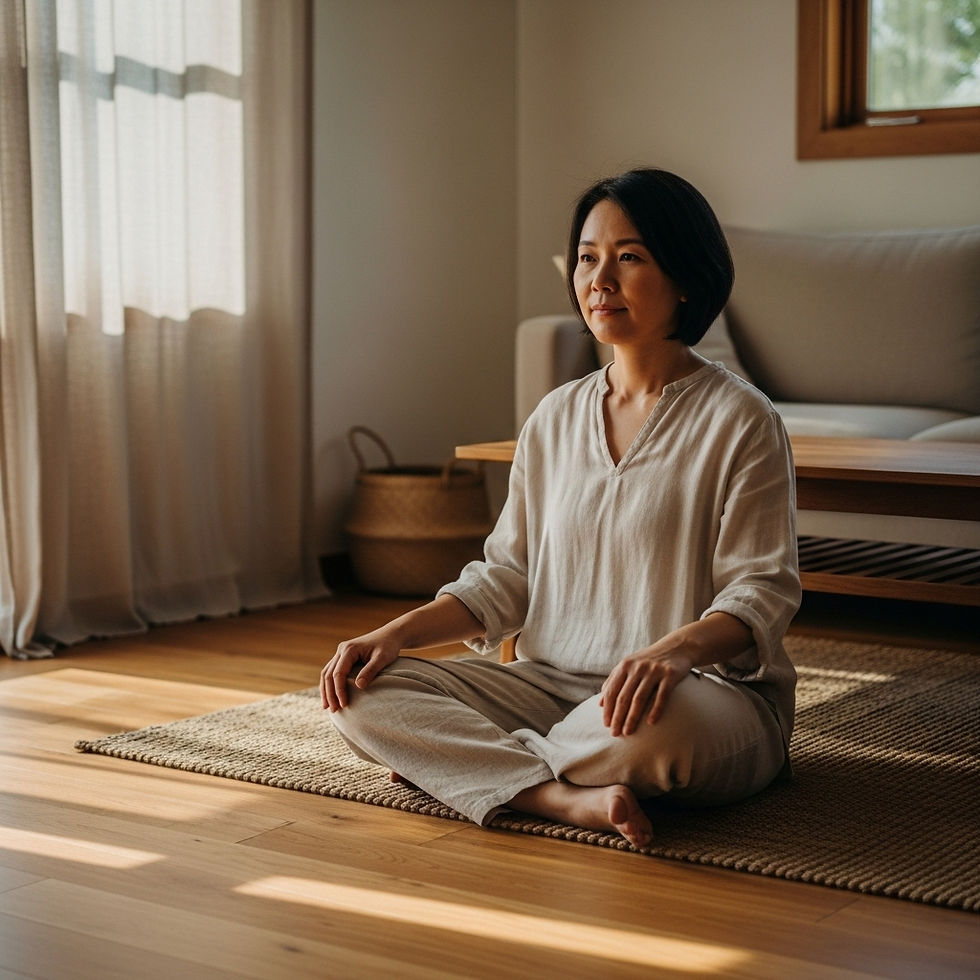
The Tailbone & The Nervous System: A Surprising Connection
The coccyx may be small, but it plays a big role. It sits near major nerves involved in pelvic function and core stabilization.
When surrounding muscles stay tight, nearby nerves can become compressed, triggering nagging aches or sharp pain without any obvious injury.
This is your body’s way of translating posture, stress, or deep tension into a signal. Recognizing this brain-body loop is the first step in creating healing from the inside out.
Body-First Calm: Ways to Support Healing from the Bottom Up
Soothing coccyx tension doesn’t mean trying harder; it starts with softness. Try sitting upright yet relaxed, letting your tailbone float.
Add light hip and glute stretches, diaphragmatic breathing, and cues to release the pelvic floor.
Support your nervous system with daily practices and nutrients. Mineral-rich remedies like magnesium for muscle aches can help shift your body from stress to calm by easing the very tension behind the pain.
Why Topical Magnesium Helps Where You Hold Tension
Sometimes the deepest comfort starts from the outside in. Magnesium for muscle aches is vital for relaxation, and when delivered topically near the hips, sacrum, and tailbone, it gets right to the root of daily gripping.
Unlike pills, it works directly where it’s applied without stressing digestion.
Our creams feature pristine Zechstein magnesium and nourishing ingredients that your body recognizes. You were built to heal; sometimes, all you need is the right kind of support.

Ready to offer softness to the places holding so much? Explore OOH BEHAVE’s clean, effective magnesium creams, designed to nurture deep tissue and restore quiet calm where it matters most.
*This content was enhanced using AI tools.



Comments